
OUR WEBSITE IS BEING UPDATED • MORE INFORMATION COMING SOON
Painful
Diabetic
Neuropathy
Diabetic neuropathy is one of the most common and frustrating complications of diabetes. It can affect sleep, mobility, mood, and overall quality of life. At Pain Relief 1, we help patients understand their symptoms, explore effective treatments, and—when appropriate—access advanced therapies that are not widely available in standard clinics.
Our goal is simple:
Reduce pain, restore function, and help you reclaim your daily life.

Early diagnosis and management are key to preventing progression and improving quality of life.
Symptoms of Painful Diabetic Neuropathy
Symptoms vary, but common patterns include:
Burning, tingling, or
"pins and needles"
Electric shock-like pain
Numbness or loss of sensation
Hypersensitivity to touch (even sheets or socks)
Nighttime
worsening
Balance problems
or unsteady
Some patients experience body pain and numbness at the same time - a sign of mixed nerve injury.
What Is Diabetic Neuropathy?
Diabetic neuropathy occurs when chronically elevated blood glucose damages nerves and the small blood vessels that supply them. Over time, this leads to:
Oxidative stress and inflammation
Impaired nerve signaling
Loss of protective sensation
Abnormal pain signaling (burning, electric, stabbing sensations)
The nerves most commonly affected are the peripheral sensory nerves in the feet and legs, but autonomic and motor nerves can also be involved.
How Diabetic Neuropathy Is Diagnosed?
Diagnosis typically includes:
Clinical history and physical exam
Monofilament testing for protective sensation
Vibration and temperature testing
Reflex assessment
Nerve conduction studies (when needed)
Blood tests to rule out other causes of neuropathy
A thorough evaluation helps determine the type of neuropathy and guides treatment options.
SMALL STEPS TODAY. BETTER COMFORT TOMORROW.
Basic Treatments
These fundamental strategies help many patients reduce symptoms and slow progression.

Protect
Your Feet
Check
Daily
Wear
Proper Shoes
These treatments aim to reduce pain signals and improve daily signals.
Lifestyle
Approaches
Common
Remedies
-
Consistent glucose management
-
Regular physical activity
-
Smoking cessation
-
Limited alcohol intake
-
Topical creams (non-prescription)
-
Warm foot soaks
-
Gentle stretching
-
Over-the-counter analgesics (as advised by a clinician)
Medical
Treatments
When symptoms persist, clinicians may consider:
-
Prescription oral medications that modulate nerve pain
-
Topical prescription therapies
-
Physical therapy
-
Treatment of coexisting conditions (e.g., vitamin deficiencies)
Footwear &
Foot Care
-
Soft, cushioned shoes
-
Seamless socks
-
Daily foot checks
-
Avoiding barefoot walking

Warm Foot soaks

Supportive Footwear

Topical Care

Gentle Stretching
These treatments aim to reduce pain signals and improve daily function.
Advanced
Treatments
+ Workshop
Explore advanced options for lasting pain relief
through personalized treatments and expert guidance.

Who Is a Candidate for
Advanced Therapies?
Pain remains severe despite
standard treatments
There is no correctable underlying
cause
Symptoms significantly impair
daily life
A comprehensive evaluation
supports the use of advanced
modalities

IV Lidocaine
Infusions
Intravenous lidocaine can help “reset” abnormal nerve firing patterns and reduce neuropathic pain for select patients.

IV Infusions
These infusions act on NMDA receptors involved in chronic pain sensitization. Under monitored conditions, they may reduce severe neuropathic pain and improve quality of life.
Advanced Treatments Offered for Diabetic Neuropathy

Qutenza®
(High-Dose Capsaicin Patch)
A clinic-applied, high-concentration capsaicin patch that temporarily reduces pain fiber activity. Effects can last several months.

Spinal Cord Stimulation (SCS)
A minimally invasive neuromodulation therapy that uses electrical signals to reduce pain transmission. Modern SCS systems are FDA-approved for painful diabetic neuropathy.

Advanced Treatment Modalities
For patients whose pain remains severe despite standard therapies, advanced options may provide meaningful relief. These treatments are often discussed in our workshops and evaluated individually for safety and appropriateness.
Our team performs individualized assessments to determine which options may be appropriate.

QUESTIONS WE OFTEN HEAR
Get Answers at Our Educational Workshop
Join Dr. Maurizio Z. Albala for a free, informative workshop where we’ll address common questions about painful diabetic neuropathy, including:
Is burning in the feet always caused by diabetes?
What is the best treatment for diabetic neuropathy?
Can diabetic neuropathy affect the hands?
Can diabetic neuropathy cause balance problems?
PATIENT EDUCATION & RESOURCES
Learn More About Diabetic Neuropathy
Additional educational resources to help you better understand diabetic neuropathy, nerve health, and available treatment options.
Trusted Organizations

Explore reliable sources for patient education


Recommended Reading

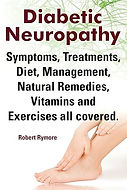
Helpful books for a deeper understanding


These external resources are provided for general educational purposes and are not a substitute for medical advice from your healthcare provider.
Next Steps
If you're exploring options for painful diabetic neuropathy — whether basic or advanced — Pain Relief 1 is here to help. We offer consultations, diagnostic evaluations, and access to therapies not widely available in general practice settings.


Ready to
Move Forward?
Our team will help you understand
your symptoms, explore your options,
and determine whether advanced
therapies are appropriate.
Call Pain Relief 1 at
(920) 939-6015
If you qualify, you can request a Consultation for Painful Neuropathy.
Register for Workshop
Reserve Your Seat Today